You are currently viewing How to Care for your Lawn this Autumn
selective focus of golden retriever dog playing with rubber ball on green lawn

How to Care for your Lawn this Autumn

September and October are some of the most important months for lawn care. After the wear and tear of summer heat, foot traffic, and maybe even a little drought stress, your grass is ready for some attention. These are the months when your lawn has the best chance to recover and set itself up for a strong start next spring. Cooler nights and warm days create ideal growing conditions for grass, especially cool-season varieties like fescue.

Green Horizon uses Blue Tagged, certified fescue. This is important because the tag guarantees the genetic purity and identity of the grass seed, ensuring you get the specific variety you paid for and a seed with high-quality standards for germination, which results in a healthier, denser lawn that establishes faster and has fewer weeds.

With the right steps, you can turn a tired-looking yard into a lush carpet of green that thrives well into fall and beyond.

We know lawn care can sometimes feel overwhelming, especially when you’re also juggling fall garden chores. But autumn is a golden opportunity—fixing problems now is much easier than trying to repair a patchy, stressed lawn in the spring. Plus, a healthy lawn doesn’t just look good; it supports beneficial insects, provides habitat for soil life, and helps prevent erosion. Let’s walk through the essential ways you can care for your lawn this season to keep it thriving.

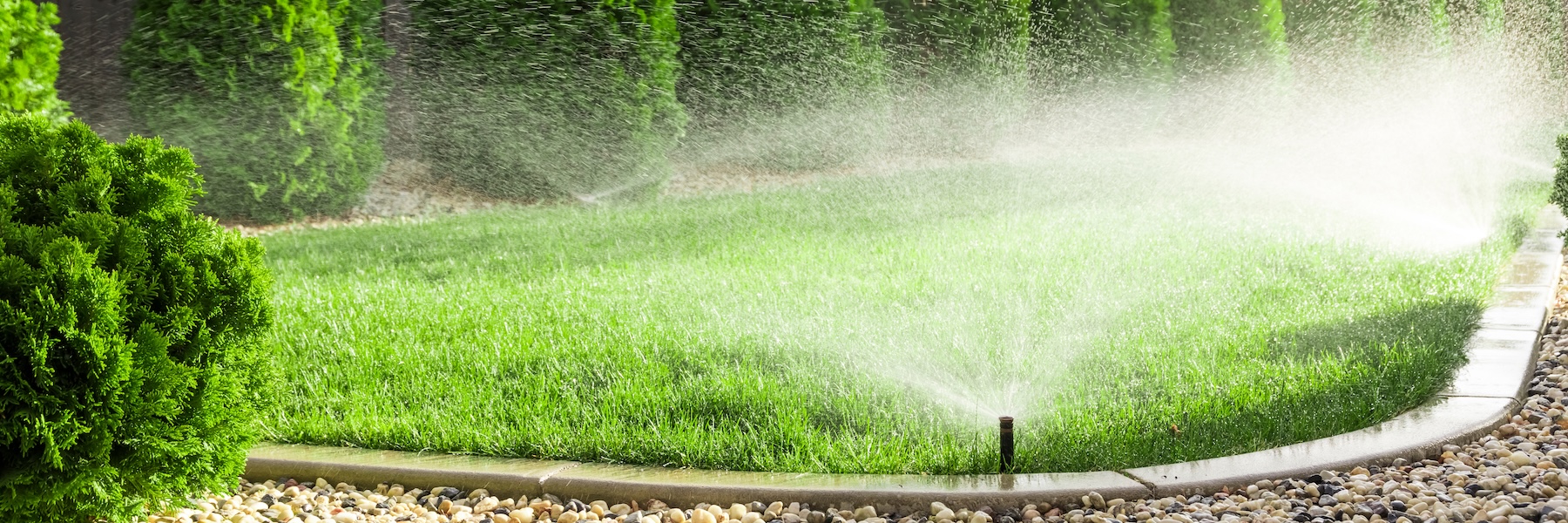
Sprinklers watering grass, green lawn in garden

Water Deeply if Needed

Even though September is cooler, don’t neglect watering if we don’t get adequate rain. Grass still needs about an inch of water per week to recover from summer stress and establish new seedlings. Focus on deep, infrequent watering to encourage roots to grow downward.

Grass evolved in regions where periodic rainfall soaked the ground deeply. Mimicking this natural rhythm with your hose or sprinklers ensures a resilient lawn. Shallow, frequent watering does the opposite, keeping roots weak and vulnerable. This is one step that pays off enormously in long-term lawn health.

Fall Broadleaf Weed Control (and when to wait)

September through mid-October is a prime window to knock back young winter annuals like henbit and chickweed – control is most effective while they are small and actively growing .

If you seeded this fall: hold off on broadleaf herbicides until your new turf has been mown at least two times.  This protects tender seedlings and keeps your renovation on track.

golden retriever dog playing with rubber ball on green lawn mowed by Green Horizon

Repair High-Traffic Spots

Lawns often develop bare spots where kids, pets, or frequent paths have compacted the soil. September is the time to repair those areas by loosening the soil, adding seed, and covering lightly with compost. This gives the grass a chance to rebound before frost sets in.

In nature, grasslands regenerate after disturbances from grazing animals or weather events. By repairing high-traffic spots, you’re recreating that recovery process. I’ve found that giving just a little attention to these areas now saves me from patchy eyesores all spring.

Clean cut lawn edge on curb done by Green Horizon

Edge and Define Borders

Crisp edges around garden beds and walkways give your lawn a polished look and help keep grass from creeping where it doesn’t belong. Fall is a good time to do this since the soil is still workable and growth is slowing down.

Borders are about more than looks—they also create distinct spaces that reduce maintenance headaches later. Defining edges now ensures you head into winter with a neat, intentional yard that will be easier to manage come spring.