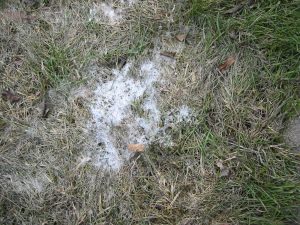
Ideally, throughout the year we would get regular, enough rainfall to sustain our gorgeous lawns. This is often not the case and folks are surprised to hear that lawns need about an inch of water per week to maintain a lush, healthy lawn. Given that we are in an area which has experienced drought conditions and water usage restrictions, as a homeowner you must balance what your lawn needs versus what is available. Recommendations from Green Horizon include the following:
 Watering Your Lawn: What to do
- During weeks when there is no rainfall, water deeply, providing about one (1) inch of water each week. Water between 5 a.m. and 9 a.m. for best results. * Adhere to any watering regulations set by local authorities*
- Pay extra attention to new grass, trees, or shrubs that require more moisture.
- Set your mower height at 3-4 inches so the grass shades the soil and reduces evaporation.
- Leave grass clippings on the lawn to retain moisture and nutrients. *Do not leave clumps of grass on the lawn* Avoid clumps by mowing regularly!
- Watch for signs of drought stress and act promptly to prevent damage.
- Allow dormancy: If conditions are severe, let cool-season grasses go dormant, providing 1/4 to 1/2 inch of water every 2-4 weeks to keep crowns alive.
Watering Your Lawn: What not to do
- Do not apply fertilizer during drought conditions, as it can burn the lawn. Green Horizon does not apply treatments to the lawn that will harm your lawn during drought or high heat!
- Put off lawn projects to avoid excessive foot traffic or equipment damaging the already stressed lawn.
- Avoid frequent, shallow watering as it promotes shallow root growth. Deep watering=deep roots!
- Don’t water at night as this encourages fungal growth.
- Cutting grass too short during dry conditions can injure or wear out dormant grasses.
How to Recognize Drought Stress in your Lawn
Drought stress in lawns can cause significant damage if not addressed properly. Watch for these signs and act promptly!
- Grass may turn from vibrant green to a dull grayish-blue tint. In severe cases, it may become light brown and brittle, resembling straw.
- Footprints or mower tire tracks remain instead of bouncing back quickly and the grass feels dry and crunchy underfoot.
- Grass blades appear limp, folded, or curled.
- The lawn may develop brown or yellow patches.
- Visible cracks or gaps in the soil, especially near paved areas.
As always, if you have any questions about your lawn’s health, please text or call us at 540-216-3145!
Download this list for handy reference in PDF format here.