

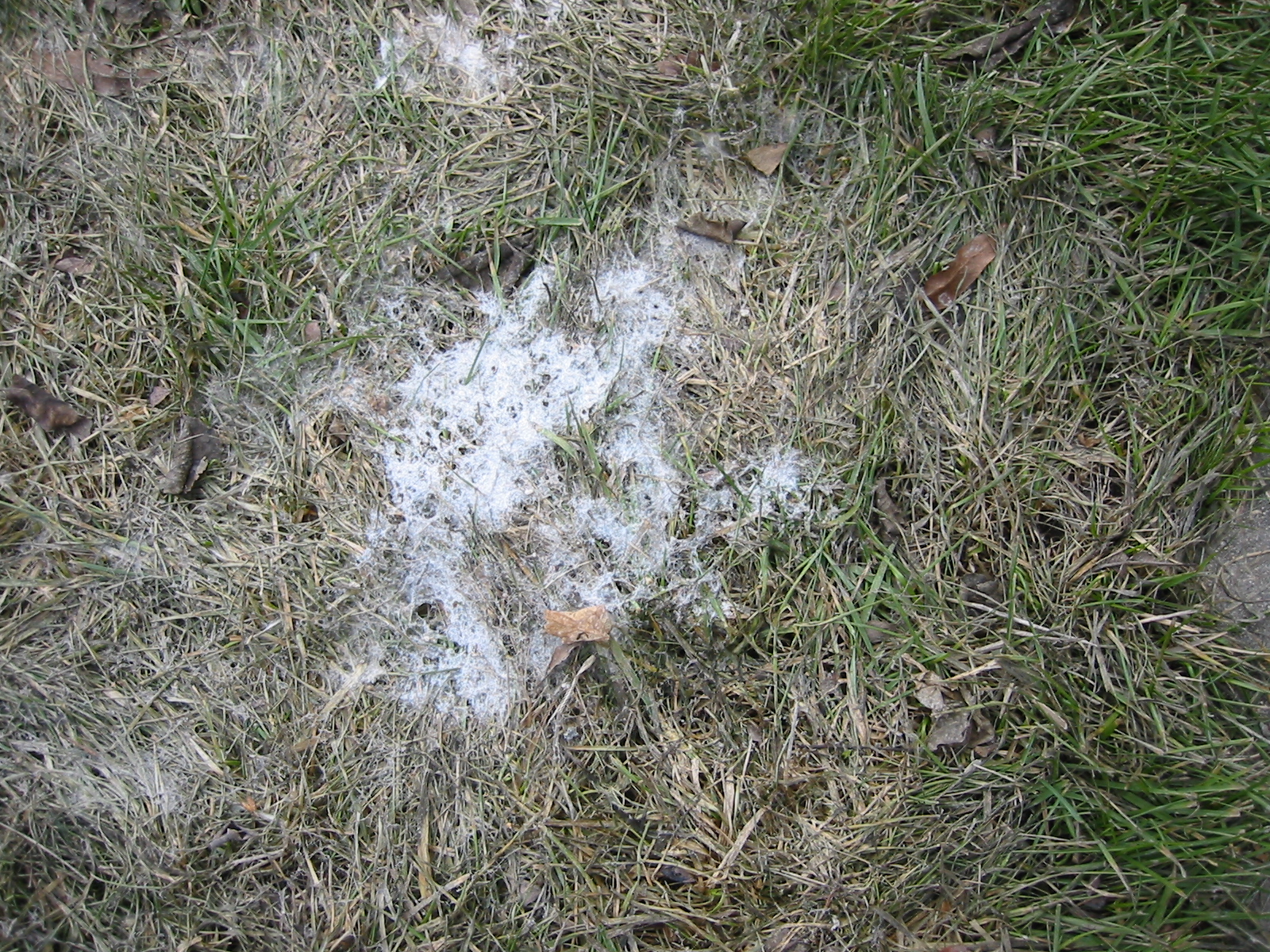
As winter fades and lawns begin to green up across Northern Virginia, some homeowners may notice circular patches of matted or discolored grass. In many cases, this is the result of snow mold, a common cold-weather turf condition that can affect tall fescue lawns.
What Is Snow Mold?
Snow mold is a fungal condition that develops when grass remains cold and wet for extended periods. While more common in regions with heavy snowfall, it can occur in Northern Virginia during winters with lingering snow, frequent freeze-thaw cycles, or prolonged moisture, like what we are experiencing this year.
How It Appears on Tall Fescue
Snow mold typically becomes visible in late winter or early spring as snow melts. Signs may include:
- Circular or irregular patches of flattened grass
- Gray, white, or pinkish residue on turf
- Straw-colored or water-soaked areas when wet
Although it may look concerning, the grass crown is often still alive, allowing the lawn to recover naturally, or with a little help from fungicide treatments.
Why It Occurs in Northern Virginia
Local conditions that can contribute to snow mold include:
- Winter temperatures between 32°F and 50°F
- Shaded lawns with limited airflow
- Poorly drained or compacted soil
Of note, these conditions are common in established neighborhoods with mature trees.
What Green Horizon’s professionals recommend doing in Early Spring as temperatures finally warm
- Lightly rake affected areas to lift matted grass
- Allow turf to dry before mowing or heavy foot traffic, including pet traffic
- Monitor regrowth over the next few weeks, if no improvement, it is time to start the process of fungicide treatments.
Is it possible to prevent Snow Mold in the Future?
The best approach is to have good, consistent fall lawn care practices with:
- Gradually lower mowing height before winter, but never below 3 inches.
- Remove fallen leaves and debris
- Aerate compacted soil in early fall
In Summary
Snow mold on tall fescue lawns in Northern Virginia can be a temporary, cosmetic issue rather than permanent damage. With proper fall preparation and early spring maintenance, most lawns recover fully as growing conditions improve.
If you have questions about winter lawn recovery or would like help evaluating your lawn this spring, feel free to reach out to us!
Wishing you a healthy start to the growing season,
Your Green Horizon Team
Image attribution: “Snow Mold” by noricum is licensed under CC BY-SA 2.0.


